Ramadan is the ninth month of the Islamic calendar. For people who observe it, it is far more than a pause from food and drink between dawn and sunset.
This article looks at how the month is understood in Islamic practice, and how families often carry its habits into everyday life.
- Iftar
- the meal that ends the fast at sunset
- Taraweeh
- extra night prayers held during Ramadan, after the last prayer of the day
- Witr
- an odd-numbered prayer prayed at night, which can also be prayed outside Ramadan
- Nafs
- the self or soul, and its desires
More than fasting
Fasting is a physical discipline, but in Islamic practice its purpose is spiritual. It is about growing in awareness of God and in self-control.
Going without food and water is also described as a way to understand what hunger feels like for people who face it every day. That awareness often leads to giving.
The month comes once a year, so many people treat it as a chance to practise restraint. The hope is that good habits continue after the month ends.
Strengthening the inner life
Islamic teaching asks the person fasting to guard more than their appetite. That includes what they look at, what they say and how they treat others.
- Setting aside idle worries and unhelpful thoughts.
- Avoiding gossip, lying and harsh speech.
- Responding to provocation with patience rather than anger.
- Keeping a check on personal desires, known as the nafs.
Many people find the month a useful reset. The aim most describe is to build habits of patience and honesty that last through the other eleven months.
Extra prayers
During Ramadan, many people add Taraweeh and Witr to their five daily prayers. Taraweeh is usually prayed in congregation at the mosque after the night prayer, by men and women.
It is generally described as a recommended, not required, prayer. People who cannot get to a mosque, because of work, health, distance or family care, often pray at home instead.
Taraweeh is held only in Ramadan. Witr can be prayed all year, which is one way a habit from the month can continue afterwards.
Reciting the Quran
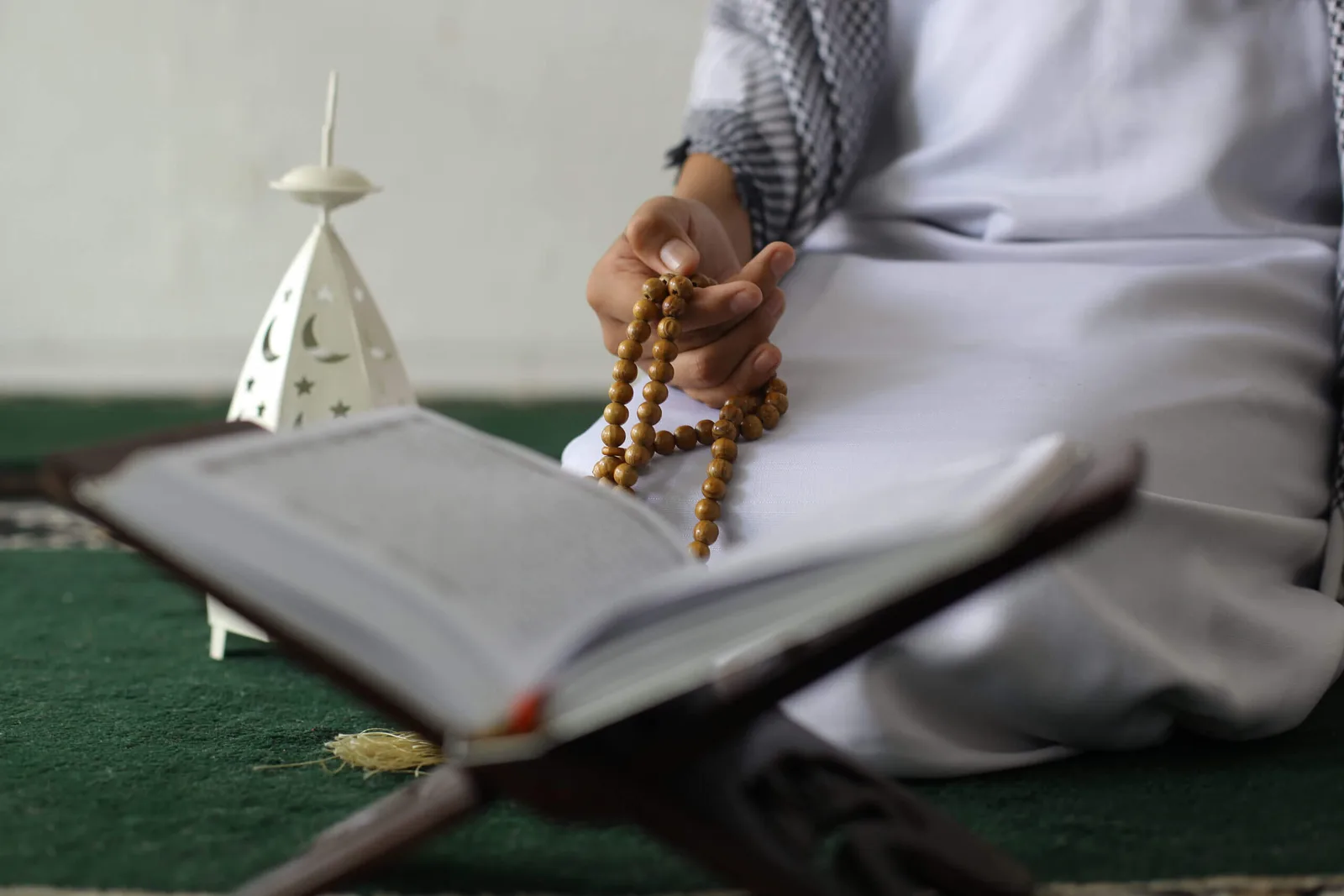
Ramadan is the month in which, in Islamic belief, the Quran began to be revealed. For that reason it is a time when many people recite it more often.
Reading the Arabic is one part. Many people also study the meaning, through a translation, a class or a local teacher, so that the text connects with daily decisions.
Note
Questions about religious practice can be put to a qualified scholar or your local imam.
Simple community activities
Ramadan is also a month of generosity. Many families look for small, practical ways to share it with the people around them.
- Sharing iftar with neighbours, to build or strengthen a friendship.
- Packing iftar meals with friends or family for people in need, with items such as dates, water, fruit and a sandwich.
- Inviting friends of any background to an iftar, so they can see the culture first-hand.
- Helping younger siblings and children read the Quran and learn the stories of the faith.
- Running quizzes or small plays for local children, and giving a book or stationery as a gift.
Sitting down to eat with the people you are helping is often seen as part of the point. It helps everyone feel included.
Carrying Ramadan into the rest of the year
The common thread is that the month is meant to change habits, not just fill thirty days. Patience, generosity, regular prayer and time with family and community are the habits most often kept.
Families who want to continue them often start small: one extra prayer, a few pages of reading or a regular meal with a neighbour.
Sources and dates
Every figure above comes from one of these, read on the date shown. If a source has moved on, the article is reviewed again.